Schools Adopt AI Tools for Children With Little Evidence to Guide Them
School districts across the United States are experimenting with artificial intelligence in classrooms, including chatbots aimed at students' emotions. Research on benefits and harms remains extremely limited, and there is no agreement on how to measure success. Some districts are pressing ahead while others have paused or banned student-facing AI.
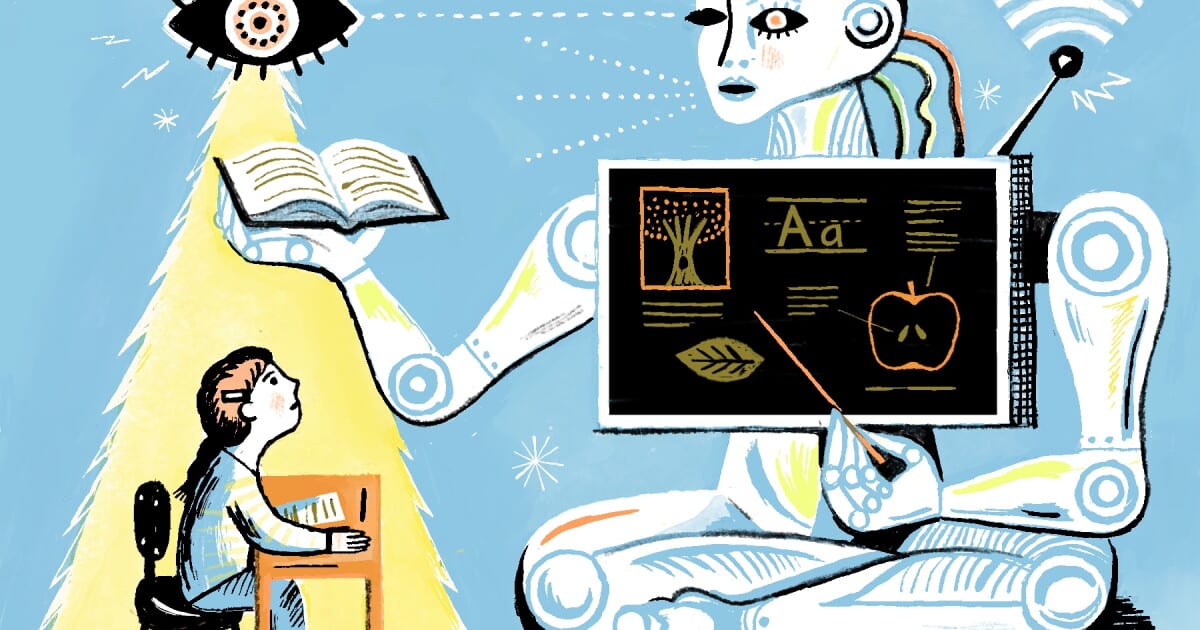
Across the United States, school districts and individual educators are experimenting with artificial intelligence, from lesson planning to chatbots that give students feedback and respond to their emotions. One district in Dayton, Ohio, introduced a social-emotional chatbot for students at an alternative school, many of whom face behavioural and academic difficulties. The district renewed its contract with the vendor at a cost of 78,650 dollars for the current school year.
The research on how schools can use AI to help children, and avoid harm, is extremely limited. A recent Stanford University review of more than 800 academic papers found that carefully designed tools show more promise than general-purpose chatbots, but there is no consensus on how to measure what works. One district's AI specialist told NPR that staff had not yet settled on what success should mean or how to evaluate it.
Observers describe the current moment as disordered, with states and the federal government largely hands off and schools proceeding on their own. Some districts are pulling back: New York City Public Schools issued a one-year ban on student-facing AI for preschool through 8th grade, and Los Angeles Unified recently banned students from using AI on district devices. In western New York, a planned humanoid robot pilot was put on hold after teachers, parents and state education leaders raised concerns about student data privacy.
A Brookings Institution researcher cautioned against wide experimentation, particularly with marginalised communities, warning of possible unintended effects including diminished learning and changes in how children are socialised. She said no one under 18 should have access to general-purpose chatbots, while supporting narrowly targeted uses led by educators addressing a specific problem.
The Foundation notes that these experiments involve children before basic questions of benefit, harm and consent have been answered, and that the burden of proof should rest with those deploying the tools.
This post is based on reporting by NPR. Read the original article.
Sources
- NPR kpbs.org