One in Five Young People Now Turn to AI Chatbots for Mental Health Advice
A nationally representative survey found that 19.2% of people aged 12 to 21 in the United States used AI chatbots for mental health support in 2025, up from 1 in 8 the year before. Nearly two-thirds told no one they had done so, often leaving parents and clinicians unaware.
A recent survey study reports that one in five people aged 12 to 21 in the United States turned to an artificial intelligence chatbot for mental health advice in 2025. The figure marks a rise from a 2024 survey by the same researchers, in which 1 in 8 adolescents and young adults reported the same practice.
The study, led by Ryan K. McBain of the RAND Corporation, surveyed 1,009 young people drawn from a nationally representative panel. Of those who used chatbots, 42.8% did so at least once a month, and 91.7% described the advice as somewhat or very helpful. Older adolescents, female respondents, and those who had recently spoken to a physician about their mental health were more likely to report using the tools.
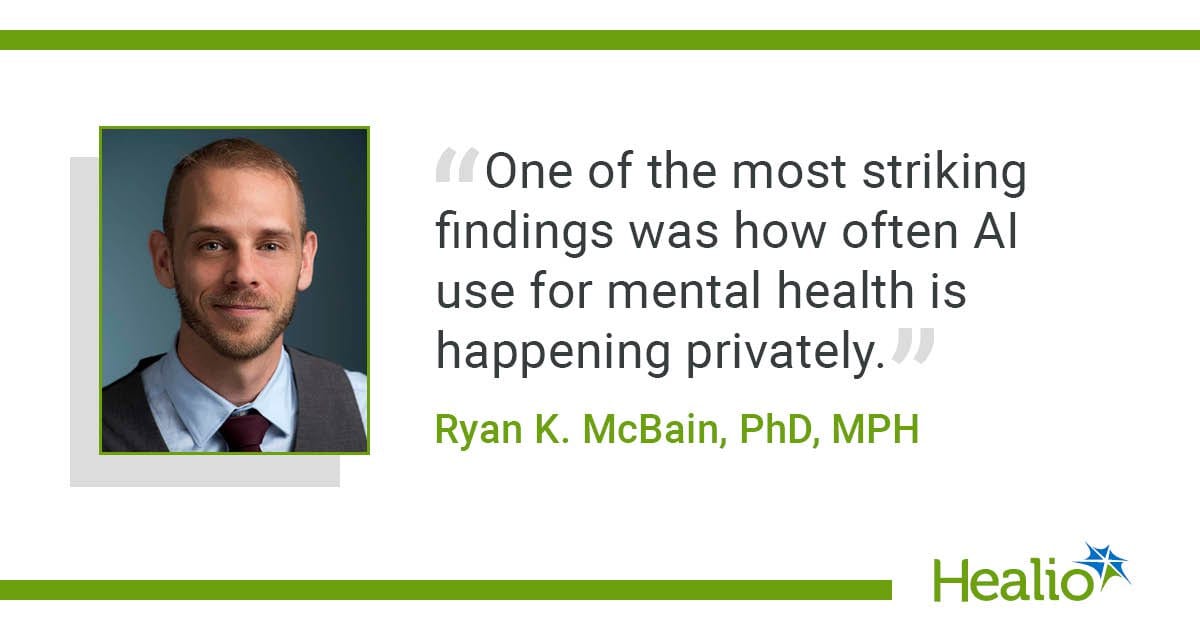
Perhaps most significant for families, nearly two-thirds of users, 63.3%, said they had told no one that they were consulting a chatbot for mental health advice. Those who did confide were most likely to tell a friend, and less often a parent, teacher, or physician.
McBain noted that the tools may appeal to young people because they are available at any hour, feel private, and respond immediately, at a time when many face barriers to care. He cautioned that these same features carry risks if young people rely on chatbot guidance instead of reaching out to trusted adults or clinicians when in distress. He suggested that pediatricians ask about chatbot use in an open, nonjudgmental manner, as they would about social media or online health searches.
The researchers described the current findings as a measure of prevalence and said future work must examine the content, quality, and consequences of these interactions, including how chatbots respond to crisis situations and whether their use affects help-seeking, symptoms, and trust in clinicians.
The original reporting on this study was published by Healio.
Sources
- Healio healio.com