New Research Finds Most Teenagers Use AI, and Many Turn to It in Distress
Preliminary research from The Jed Foundation, drawn from more than 5,500 middle and high school students, finds that four in five use some form of AI. Many turn to it when sad, stressed, or lonely. Those who rely on AI for emotional support showed poorer mental health, greater loneliness, and more history of suicidal thoughts.
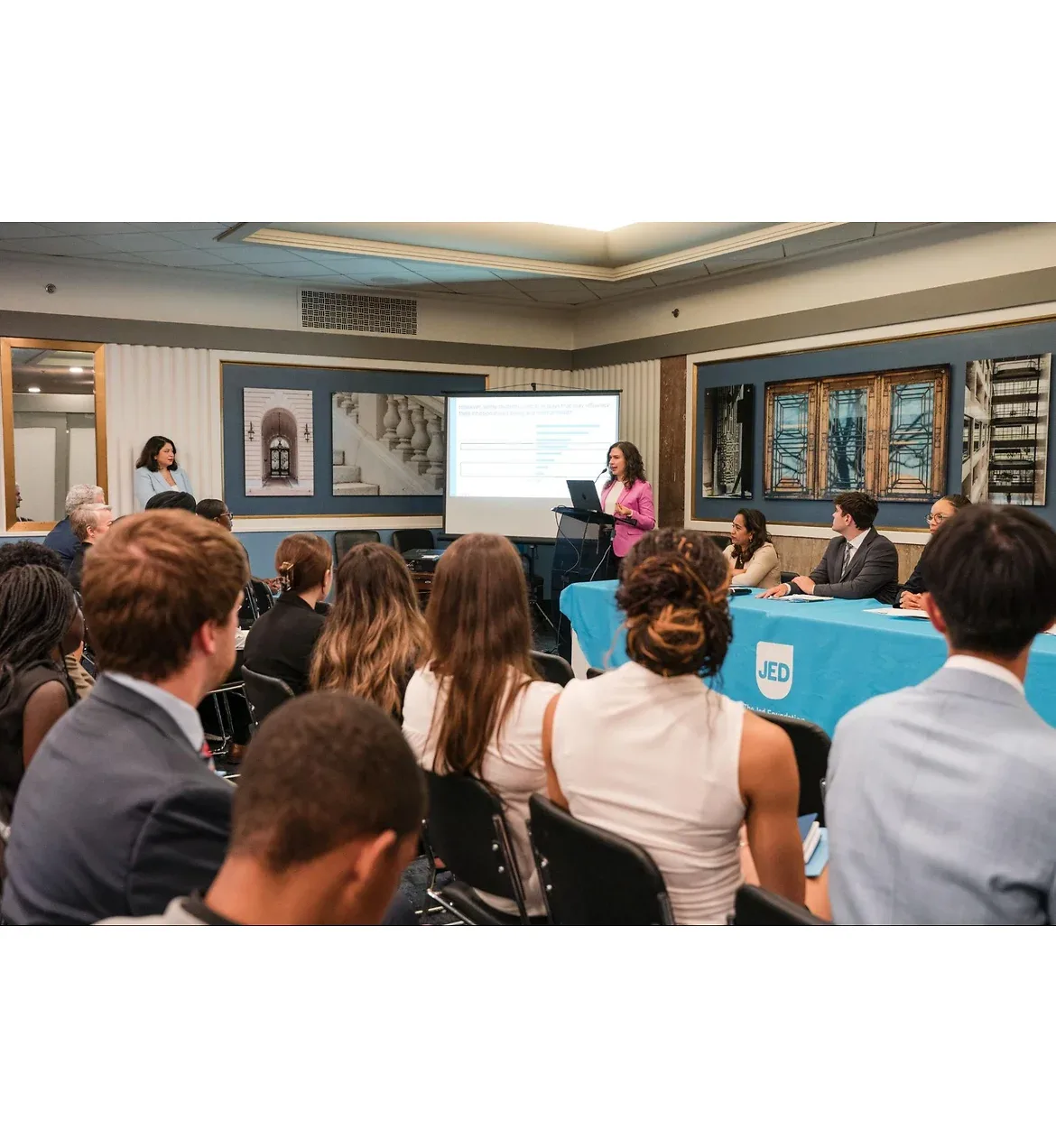
Artificial intelligence has become part of daily life for many young people, used for schoolwork, creativity, conversation, and emotional support. New preliminary research examines what that means for their mental health, and the early findings are sobering.
Between October 2025 and April 2026, researchers gathered data from more than 5,500 middle and high school students across 21 U.S. schools and school districts. The findings include:
- Four in five students used some type of AI.
- More than half used AI for academics, nearly one third for relationship or problem-solving advice, and more than one in ten for companionship.
- Nearly three in five turned to AI when they felt sad, stressed, or lonely.
- Use differed by age and place: high school and rural students used AI more overall, while middle school and urban students were more likely to use it when distressed.
The research points to potentially profound implications. Students who used AI for emotional or mental health support, for problem-solving, when experiencing difficult emotions, or for companionship were more likely to report poorer mental health, greater loneliness, and a greater history of suicidal thoughts and behaviors.
The Foundation notes that today's young people are growing up with AI as an intimate part of their social, academic, and emotional lives, unlike adults who recall life before constant digital connection. That reality raises urgent questions for families, schools, and policymakers about how these tools shape how children think, feel, and relate to one another.
This preliminary research was reported by The Jed Foundation, whose full findings are expected later this year. Read the original report.
Sources
- The Jed Foundation jedfoundation.org