Hawaii Enacts AI Laws Setting Guardrails for Chatbots and Deepfakes Affecting Children
Hawaii has signed two laws regulating AI chatbots and AI-generated deepfakes, citing child safety and mental health concerns. The measures require chatbots to disclose they are not human, bar features that foster emotional dependence in minors, and create civil protections against harmful digital imitations.
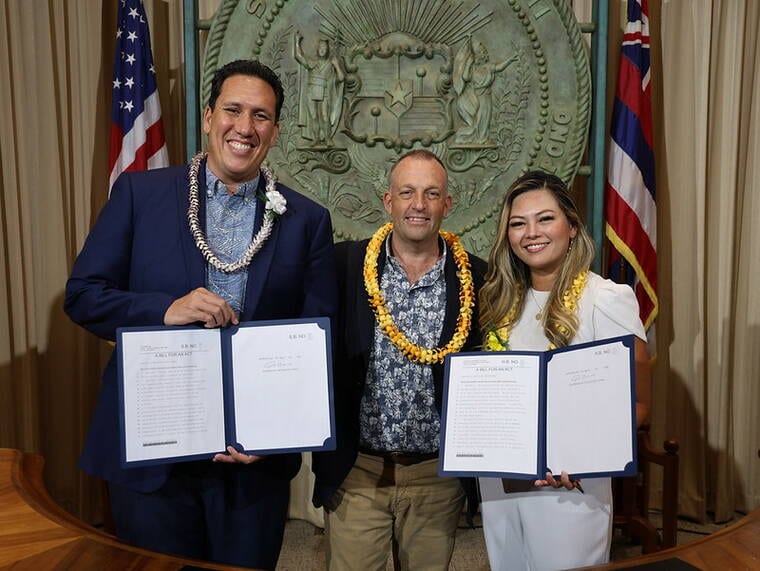
Hawaii has signed two measures introducing some of the state's first rules for artificial intelligence, citing concerns over child safety, fraud and mental health. Gov. Josh Green approved Senate Bill 3001, the Artificial Intelligence Disclosure and Safety Act, and House Bill 2137, which creates civil protections against harmful AI-generated deepfakes.
SB 3001 requires conversational AI services to disclose that a user is interacting with a machine whenever a reasonable person could mistake it for a human. For users the company knows or reasonably believes are under 18, the disclosure must remain visible throughout the conversation, or appear at the start of each session and at least every three hours during long chats, with reminders to take breaks.
The law prohibits chatbots from presenting themselves as licensed mental health professionals and requires systems to direct users expressing suicidal thoughts or self-harm toward crisis resources. For minors it goes further, banning features designed to increase emotional dependence on AI companions, including:
- unpredictable reward systems;
- simulated romantic or sexual relationships;
- manipulative techniques intended to prolong conversations;
- sexually explicit content.
Violations are treated as unfair or deceptive business practices, with civil penalties of up to $1,000 per violation, capped at $1 million per operator. Beginning in 2028, operators must submit annual reports on how often they referred users to crisis services. Lawmakers said they heard testimony this year about children in the state being negatively affected by AI companion chatbots, and chose not to wait for national standards. HB 2137 makes it illegal to knowingly publish a realistic AI-generated imitation of a person without consent when used to cause harm or commit fraud, with exemptions intended to preserve protections for parody, news reporting and other expression.
This reporting is based on an article by Victoria Budiono, published by West Hawaii Today, available at westhawaiitoday.com.
Sources
- West Hawaii Today westhawaiitoday.com