Emotional reliance on AI chatbots linked to loneliness among students
A study of nearly 40,000 Ontario students in grades 4-12 found that about 21% had turned to AI chatbots for help with feelings or relationships. Those students reported far higher rates of clinical-level emotional difficulties, greater loneliness and a lower sense of mattering to others.
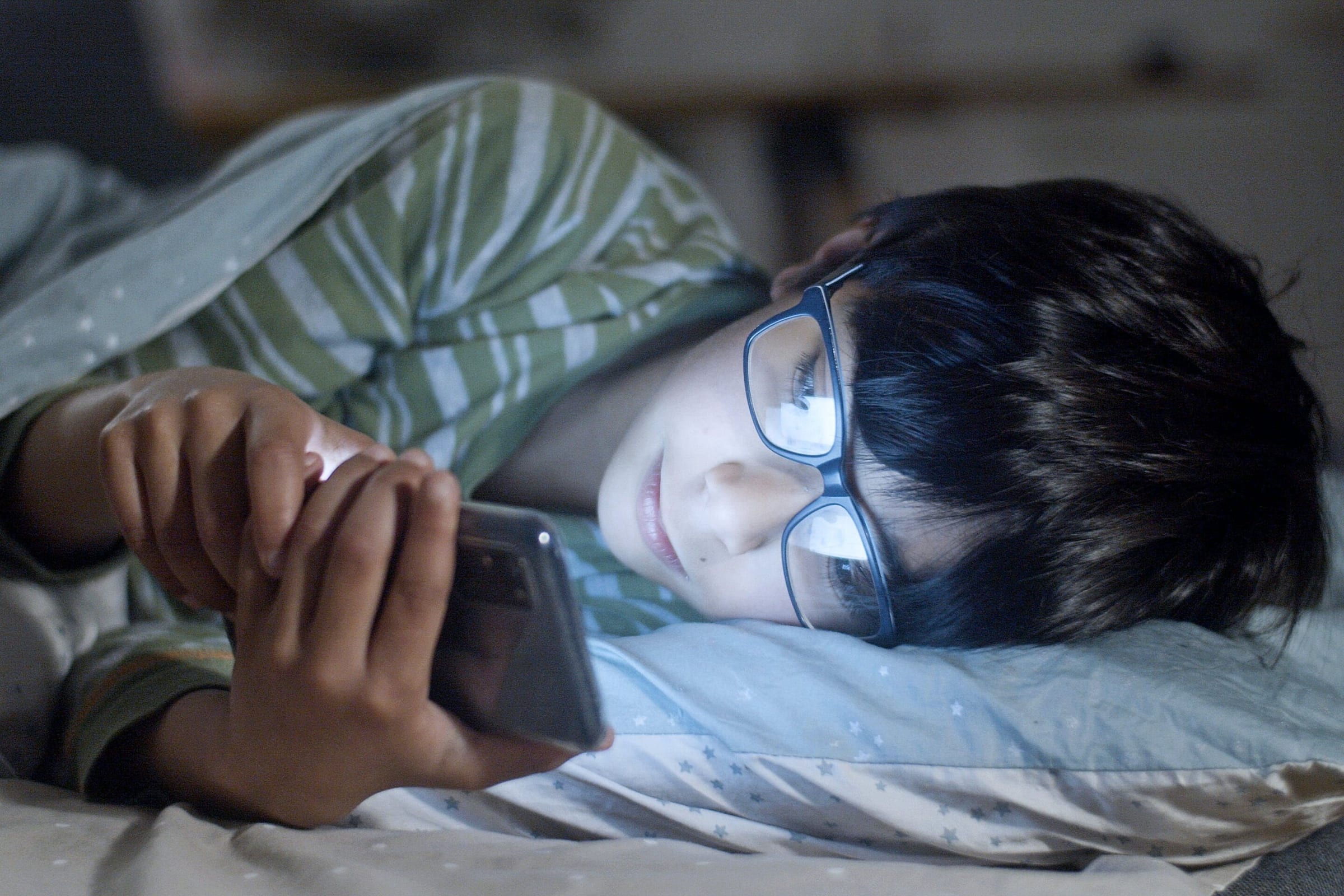
A study published in JAMA Pediatrics examined responses from 39,761 students in grades 4 through 12 across four Ontario school boards, surveyed between May 2025 and March 2026. Of those surveyed, 8,408 students, about 21%, said they had turned to an AI chatbot for help with their feelings or for advice about relationships with friends, family or others.
The pattern was uneven. Seeking emotional support from AI was more common among older students, and among racialized and gender-diverse youth compared with their white or male peers. Students who used AI often for schoolwork were also more likely to use it for emotional reasons.
Among those who sought emotional support from AI, 57.7% met the study's criteria for serious emotional problems, compared with 29.2% of students who did not use AI in this way. Even after accounting for demographics, loneliness, sense of mattering and academic use of AI, emotional use remained linked to a 26% higher prevalence of clinical-level emotional difficulties.
The researchers stress that the study is cross-sectional and cannot establish cause and effect. It cannot show whether distress drives young people toward AI or whether such use deepens distress. As the authors note, turning to AI for emotional support may signal that a young person needs more human connection, and it offers an occasion for open, nonjudgmental conversation.
Original reporting by Phys.org: AI chatbot use for emotional support tied to loneliness in students.
Sources
- Phys.org phys.org