Children Trust AI Toys, Study Finds, Raising the Case for Early AI Literacy
A University of Cincinnati study of 41 children aged 5-10 who played with a generative AI robot found they were enthusiastic and inclined to believe whatever the toy told them was true. Researchers say children need to learn early what AI can and cannot do, and to question its answers.
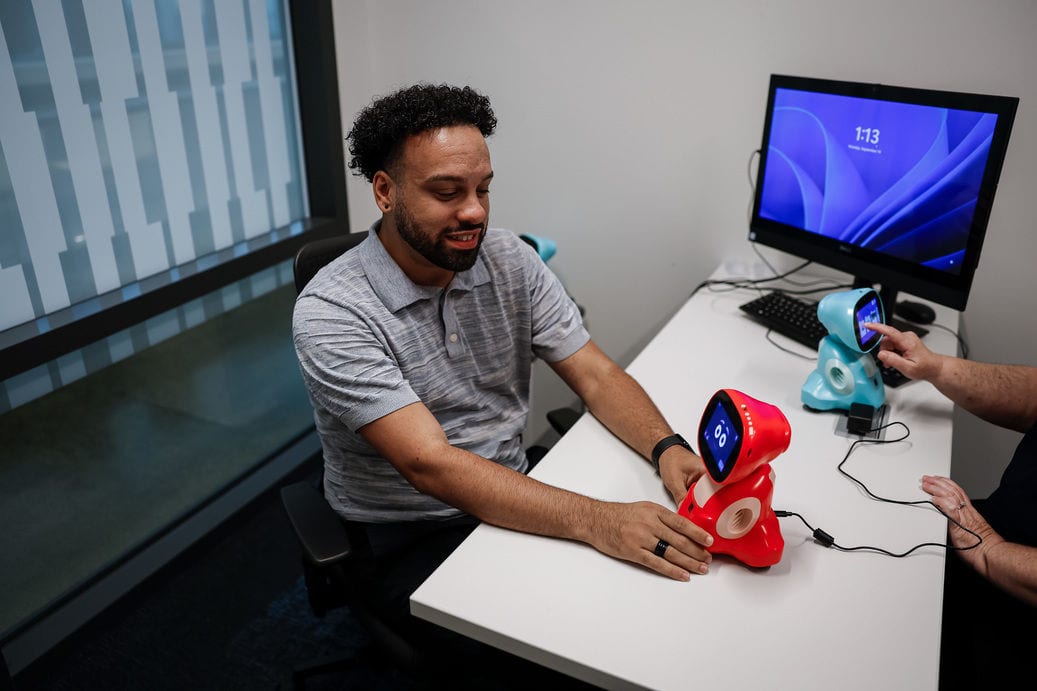
Researchers at the University of Cincinnati observed 41 children between the ages of 5 and 10 as they played three interactive games with a commercially available robot that uses generative artificial intelligence. The children were enthusiastic about the toy, even when they had never encountered one before, and tended to believe what it told them was true.
The researchers, Assistant Professor Kelly Merrill Jr. and Professor Nancy Jennings, noted that this trust stands in contrast to the concerns some parents hold about AI. Jennings said the findings point to the need to build AI literacy at a young age, so that children understand both the abilities and the limitations of the technology. She described AI literacy as knowing what AI can and cannot do, maintaining skepticism about its answers, and understanding that generative AI can mislead because it favours agreeableness over facts.
The study also recorded reasons for caution. Some children who said they had trouble making friends at school described the robot as a friend that would not judge or bully them. The researchers stressed that such tools should complement, not replace, contact with other children. They observed some built-in safeguards, with the robot redirecting away from frightening or violent content, but wider reviews have found that AI toys can generate age-inappropriate material and raise privacy concerns.
The Foundation notes the researchers' guidance for families:
- Supervise children as they play with AI toys.
- Explain the limitations of generative AI and that not everything it says is true.
- Ensure AI toys do not replace play with other children where that is possible.
Half of the children in the study already used AI agents at home, most often to play music. The researchers observed that a generation is growing up that will never know a world without artificial intelligence.
The original reporting was published by the University of Cincinnati via EurekAlert! and is available at https://www.uc.edu/news/articles/2026/09/uc-study-children-ai-toys-ai-literacy.html.