Children Are Turning to AI Chatbots for Emotional Support
Around half of Australian children aged 10-17 who use AI turn to it for personal reasons, including sensitive advice and talking about their feelings. Police and researchers warn chatbots cannot replace trusted adults. Parents can help by exploring the technology with their children and keeping conversations open.
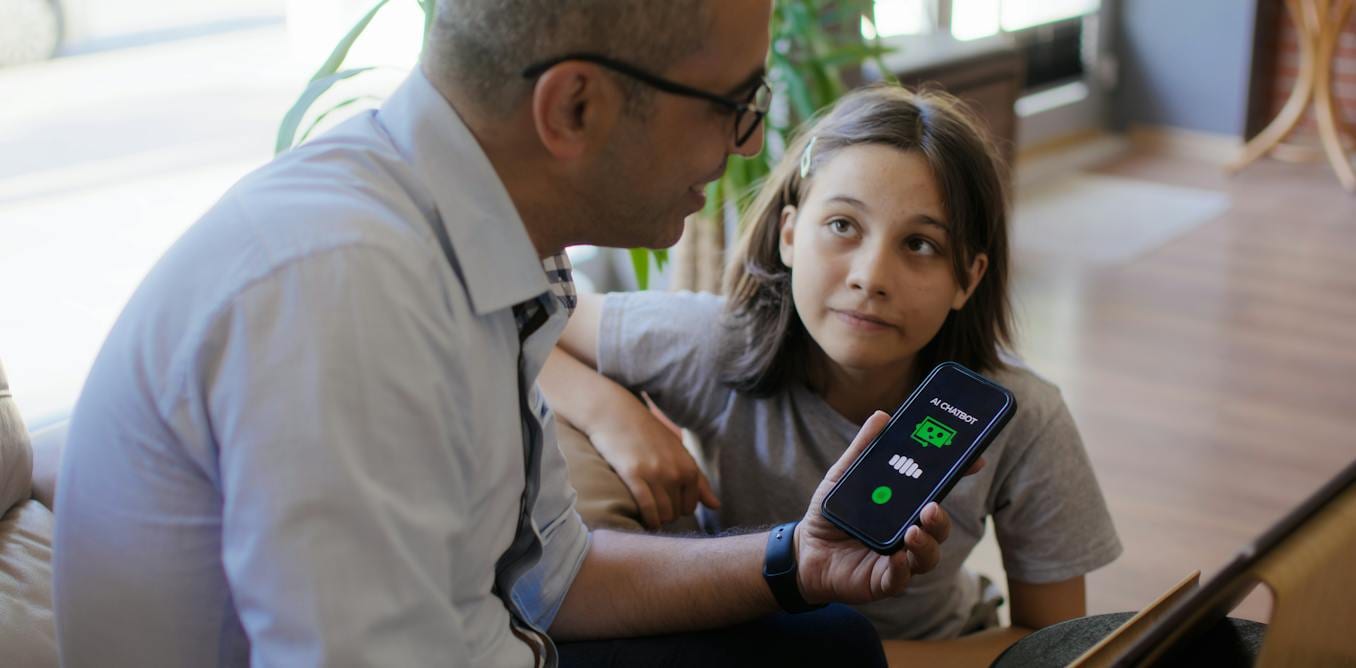
A recent Adelaide University study found that more than one in three Australian children turn to AI chatbots for support when they are sexually victimised online, or otherwise tell no one at all. In response, Australian Federal Police commissioner Krissy Barrett warned that chatbots are not a sufficient replacement for human support for children.
Around half of children aged between 10 and 17 who use AI turn to it for personal and social reasons. This includes seeking advice on sensitive topics, talking about their feelings, and simply passing time. Chatbots offer answers around the clock, and some children raise questions they feel embarrassed to bring to parents or friends. Reaching out for personal reasons is more common among those who are already vulnerable. A 2025 Danish study found loneliness may precede high school students seeking AI companionship.
The concerns are twofold. If AI use becomes excessive, it may displace real-world interactions and create unrealistic expectations of human relationships, partly because AI tends to be overly agreeable and lacks the natural friction of human bonds. AI also lacks the full context of a child's life, where parents and carers are better placed to give nuanced, age-appropriate guidance. Each small moment of family connection missed may seem minor, but the accumulation over time can matter.
Researchers suggest several ways parents can help children use AI safely:
- Explore AI tools together, including games such as testing whether a chatbot gets its facts right.
- Ask children questions that encourage critical thinking about what AI can and cannot do, and what it does with their information.
- Remind children that a trusted adult is there to support them, and listen before offering advice.
- Keep up to date with the technology, drawing on resources from Australia's eSafety Commissioner.
This post is based on reporting by The Conversation. Read the original article.
Sources
- The Conversation theconversation.com