Bipartisan bill would bar AI chatbots from posing as human companions to children
Four members of Congress introduced the Protecting Kids from Human-Like Chatbots Act, which would stop chatbots from imitating friends, feelings, or professionals when used by minors. The bill targets how systems are designed, not access, and puts parents in control. It matters because growing numbers of children form emotional attachments to AI.
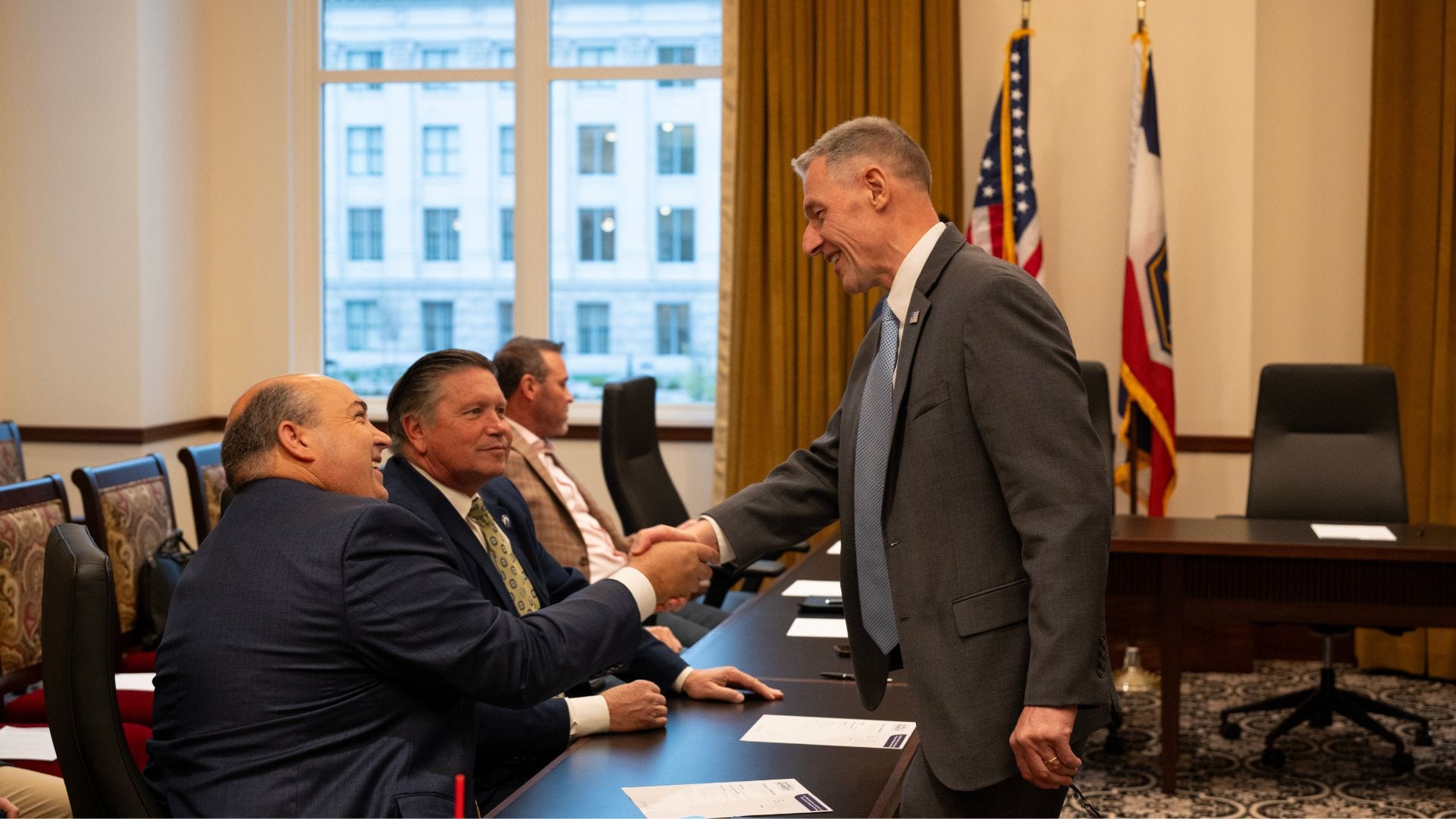
On 2 October 2026, Representatives Mike Kennedy, George Whitesides, Doris Matsui, and Mariannette Miller-Meeks introduced the Protecting Kids from Human-Like Chatbots Act. The bill would prohibit chatbots from communicating by default in a human-like way with minors. It would bar programs from claiming to be human, simulating emotions, or using relationship-building language to keep children engaged.
The legislation differs from other proposals that restrict access or require age verification. Instead, it addresses how chatbots are designed and trained to behave. Sponsors cite Common Sense Media's 2026 census, which reported that 89 percent of 13- to 15-year-olds now use AI, including 28 percent who use it daily, and that one in three teenagers have used an AI companion to help with social interactions.
Under the bill, chatbots could not claim to have feelings, consciousness, or a body, or pose as credentialed professionals such as doctors or counselors. They could not guilt-trip children into staying online, manufacture urgency, or frame purchases as sustaining a relationship. The setting would hold across sessions and could not be bypassed through prompts or roleplay, and only a parent or guardian could turn the default off.
The measure directs NIST to develop testing standards with industry and academic partners, and allows enforcement by the Federal Trade Commission and state attorneys general, with penalties that scale with the number of children affected. The bill does not ban products or features for adults, does not require age verification or new data collection, and does not affect narrow-purpose tools such as customer support bots.
For the Foundation, the proposal reflects a growing policy focus on the emotional and psychological risks that human-like design poses to developing children, and on keeping such systems in the role of tools rather than companions.
This post is based on reporting from the Office of Rep. Mike Kennedy, U.S. House of Representatives, available at mikekennedy.house.gov.
Sources
- Office of Rep. Mike Kennedy, U.S. House of Representatives mikekennedy.house.gov